Shabbat Yitro Shalom
Jan 21, 2022
Phyllis Chesler Organization
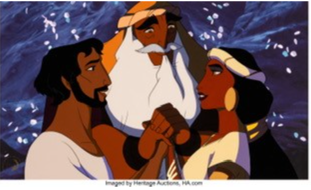
Rabeynu Moshe is an Arab Hebrew who was born in, and who grew up in Egypt. His wife, Zipporah, and father-in-law Yitro are from Midian, now located in southern Transjordan, northern Arabia, or the Sinai. Zipporah is also referred to as the “Cushite” which suggests that her homeland may have been either Ethiopia or even Sudan.
It’s clear: There are no white people here, no one is light-skinned, in this story.
What’s also clear is that a pagan, idol-worshipping high priest, Yitro (the man of seven names), like Rahab (also a pagan), “hears of all that Elohim has done” and draws near to be of service.Rahab, also “heard” about God’s miracles, it “melted” her heart, and she saved Yehoshua and the spies.
We receive the Ten Commandments in the very parasha named for Yitro. We expect to be redeemed through the pagan convert Ruth, who lived somewhere near the Dead Sea, perhaps in Jordan, but who belonged to a country, Moav, forever forbidden to “dwell among the God’s congregation.”
What does all this tell us? That God’s people need to be acknowledged by outsiders? That such recognition is important because it might protect us and allow us share our light among the nations?
Please share your thoughts with me and have a Shabbat Shalom!
Phyllis